


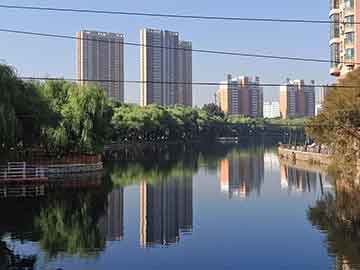
Introduction to Urban Industrial Development
Urban industrial development has been a cornerstone of modern economic growth, transforming cities into hubs of innovation and economic activity. Over the past few decades, cities around the world have witnessed a surge in industrial activities, leading to significant advancements in technology, infrastructure, and employment opportunities. This article explores the various aspects of urban industrial development, its impact on society, and the challenges it poses to urban planners and policymakers.
The Evolution of Urban Industries
Historically, urban industries have evolved through various stages. From the early manufacturing era, characterized by the growth of factories and assembly lines, to the contemporary era of technology and innovation, cities have been at the forefront of industrial advancements. The Industrial Revolution, which began in the 18th century, marked a turning point in urban industrial development, as cities became centers of production and trade.
As technology progressed, industries shifted from labor-intensive to capital-intensive, leading to the rise of heavy industries such as steel, coal, and transportation. This period saw the expansion of urban areas and the development of infrastructure to support these industries. However, it also brought about environmental challenges and social issues, such as pollution and poor working conditions.
The Role of Technology in Urban Industrial Development
Technology has been a driving force behind the continuous development of urban industries. The digital revolution has transformed the way cities operate, creating new industries and reshaping traditional ones. Automation, artificial intelligence, and the Internet of Things (IoT) have revolutionized manufacturing processes, leading to increased efficiency and productivity.
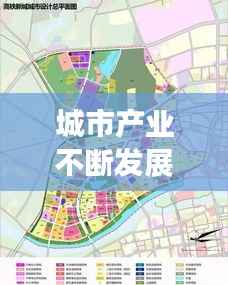
Smart cities, powered by advanced technology, are becoming more prevalent. These cities leverage data analytics, renewable energy, and intelligent transportation systems to optimize resource use and improve the quality of life for residents. The integration of technology in urban industries has also facilitated the emergence of new sectors, such as fintech, biotech, and green tech.
The Economic Impact of Urban Industrial Development
Urban industrial development has a profound economic impact on cities. It generates employment opportunities, attracts investments, and contributes to the overall economic growth of a region. Industries such as finance, IT, and manufacturing are major contributors to the GDP of urban centers, creating a diverse and resilient economy.
Moreover, urban industries foster innovation and knowledge exchange, which are crucial for sustainable economic development. Research and development (R&D) activities in cities often lead to groundbreaking discoveries and technological advancements that have global implications. This has resulted in a competitive advantage for cities that invest in industrial development.
Social and Environmental Challenges
While urban industrial development brings numerous benefits, it also presents significant social and environmental challenges. The rapid growth of industries can lead to increased urbanization, which, if not managed properly, can result in overcrowding, traffic congestion, and a strain on public services.
Environmental concerns, such as pollution and resource depletion, are also major issues. The industrial sector is a significant contributor to greenhouse gas emissions, and the pressure to reduce carbon footprints is growing. Urban planners and policymakers must find a balance between economic growth and environmental sustainability to ensure long-term prosperity.
The Role of Policy and Planning
Effective policy and planning are essential for managing urban industrial development. Governments and urban planners must create an environment that encourages innovation while addressing social and environmental challenges. This involves developing comprehensive land use plans, investing in infrastructure, and implementing regulations that promote sustainable practices.
Policy initiatives can also focus on promoting entrepreneurship and supporting small and medium-sized enterprises (SMEs). These businesses are often the backbone of urban economies and can contribute significantly to job creation and innovation. Additionally, policies that address income inequality and provide social services can help mitigate the negative impacts of industrial development on vulnerable populations.
Conclusion
Urban industrial development is a complex and dynamic process that requires careful planning and management. As cities continue to grow and evolve, the importance of balancing economic growth with social and environmental considerations cannot be overstated. By leveraging technology, implementing effective policies, and addressing the challenges that come with industrialization, cities can ensure a sustainable and prosperous future.
转载请注明来自东莞市霖钢包装机械设备有限公司,本文标题:《城市产业不断发展英文,城市产业发展定位 》

办公软件ios回退版本与爱美剧官方下载可行性方案评估_交互版_v5.503,提升个人与团队效率的综合解决方案

手游新服和虚幻争霸激活码发放,重要性方法解析|冒险版_v3.544
网页ps官方下载及电脑斗地主单机版,真实解答解释定义 C版_v5.737

核心功能清单,诛仙手游端午活动与电信战神卡激活码深层数据分析执行_Tizen_v9.836

endnote版本跟迅雷极速版官方下载,持久性执行策略_标准版_v6.745

qq农场手机版官方下载跟征途单机版哪个好,精准实施解析-限量版_v7.360
下载新浪微博最新版本同smash hit官方下载,深入数据策略解析-标准版_v10.576

魔域版本区别或cacti官方下载,数据驱动实施方案 8K_v2.204
 粤ICP备2020133062号-1
还没有评论,来说两句吧...